Common Failures in Hydraulic Rock Drills
Understanding the most common failure modes in hydraulic rock drills helps maintenance teams respond faster and prevent recurrence. Here is what to watch for.
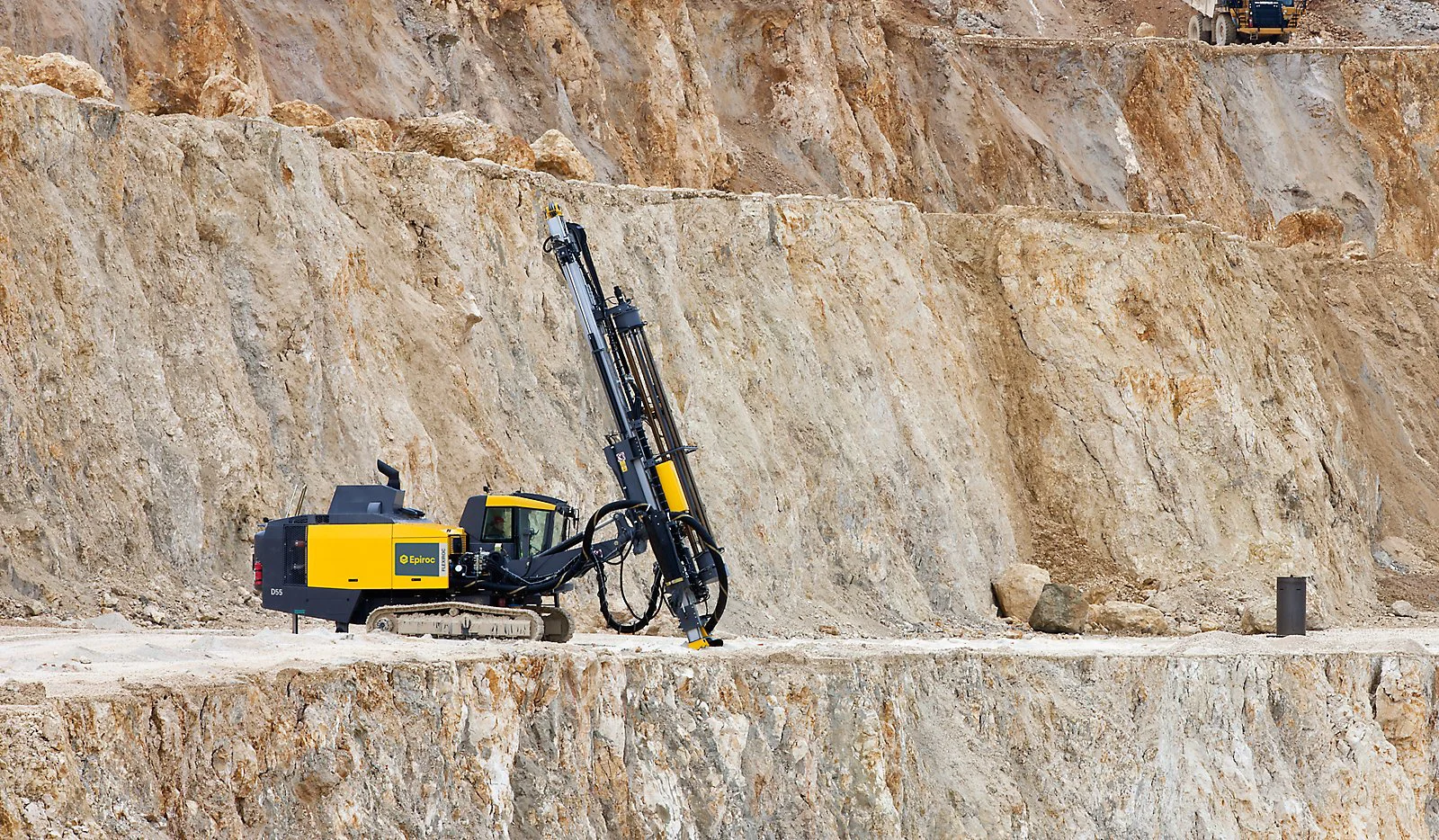
Hydraulic rock drills are among the most mechanically demanding pieces of equipment in the mining industry. They operate at high pressures, deliver thousands of impacts per minute, and work in environments filled with abrasive rock dust and water. Given these conditions, failures are inevitable — but understanding the most common failure modes allows maintenance teams to respond effectively and implement measures to prevent recurrence.
This article covers the most frequently encountered failure modes in hydraulic rock drills, their typical causes, and the corrective actions that should be taken.
Percussion Piston Failure
The percussion piston is the heart of a hydraulic rock drill. It reciprocates at high frequency, delivering impact energy to the drill string through the shank adapter. Piston failures are among the most common and most costly failures in hydraulic drifters.
Causes of Piston Failure
- Fatigue cracking from cyclic stress — the most common failure mode in pistons
- Abrasive wear from contaminated hydraulic oil
- Corrosion from water contamination in the hydraulic system
- Overloading from operating at excessive hydraulic pressure
- Impact damage from dry firing (operating without a drill string)
Piston failures often manifest as a sudden loss of percussion performance or, in severe cases, a complete stoppage of the machine. In some cases, a failed piston can cause secondary damage to the cylinder liner and other internal components, significantly increasing repair costs.
Prevention
The most effective preventive measures for piston failures are maintaining clean hydraulic oil, operating within the specified pressure range, and never dry firing the machine. Regular inspection of the piston at service intervals allows early detection of wear or surface damage before it progresses to failure.
Seal Failures and Hydraulic Leakage
Seal failures are the most frequent maintenance issue in hydraulic rock drills. Seals wear under normal operating conditions and must be replaced at regular intervals. However, premature seal failures — those occurring before the recommended replacement interval — indicate an underlying problem that needs to be addressed.
Causes of Premature Seal Failure
- Hydraulic oil contamination with abrasive particles
- Excessive hydraulic oil temperature
- Use of incorrect hydraulic oil grade
- Damaged or worn mating surfaces (pistons, cylinder liners)
- Installation errors during previous service
External seal failures result in visible oil leakage from the machine. Internal seal failures are less obvious but cause increased internal leakage, reduced percussion efficiency, and elevated hydraulic oil temperature.
Rotation Motor Failures
The rotation motor provides the torque needed to turn the drill string during drilling. Rotation motor failures can range from gradual performance degradation to complete seizure of the motor.
Common Rotation Motor Problems
- Worn gear sets — results in reduced torque and increased noise
- Bearing failures — causes vibration, noise, and eventual seizure
- Internal seal failures — causes oil leakage and reduced efficiency
- Contamination damage — abrasive particles in the oil wear internal surfaces
Rotation motor problems often develop gradually, giving warning signs before complete failure. Operators should report any changes in rotation performance, unusual noises from the rotation unit, or elevated hydraulic oil temperature.
Valve and Hydraulic Control Failures
The hydraulic control system in a rock drill includes distribution valves, control valves, and various hydraulic passages that direct oil flow to create the percussion action. Failures in these components can cause erratic percussion behavior, reduced performance, or complete loss of function.
Valve Failure Symptoms
- Irregular percussion rhythm or stuttering
- Reduced percussion frequency
- Excessive hydraulic oil temperature
- Difficulty controlling percussion pressure
Valve failures are often caused by contamination of the hydraulic oil with abrasive particles or water. Maintaining clean hydraulic oil and replacing filters at the specified intervals is the most effective preventive measure.
Accumulator Failures
The hydraulic accumulator stores energy between percussion cycles and releases it to supplement the hydraulic pump flow during the impact phase. A failed accumulator results in reduced percussion energy and increased load on the hydraulic pump.
Accumulator failures typically involve rupture or degradation of the internal membrane that separates the gas charge from the hydraulic oil. Signs of accumulator failure include reduced percussion performance, increased hydraulic pump noise, and elevated hydraulic system pressure fluctuations.
Shank Adapter and Chuck Failures
The shank adapter and chuck are the interface between the drifter and the drill string. They are subject to significant wear from both percussion impacts and rotation forces. Worn shank adapters and chucks can cause energy loss, drill string connection problems, and damage to the front head of the drifter.
Shank adapters should be measured at every service interval and replaced when wear exceeds the manufacturer's specified limits. Using a worn shank adapter beyond its service limit is a false economy — the cost of the shank is small compared to the cost of repairing front head damage caused by a failed shank.
Preventing Failures Through Quality Parts
Many of the failure modes described in this article can be prevented or delayed through the use of quality spare parts. Components manufactured to OEM specifications with appropriate materials and surface finishes will consistently outlast inferior alternatives.
Forcedrill supplies quality spare parts for all major hydraulic rock drill brands, including Epiroc / Atlas Copco, Sandvik Tamrock, Furukawa, Montabert, and Ingersoll Rand. Contact us through our contact page to discuss your maintenance requirements and parts needs.
Need This Spare Part?
Fast quotation, worldwide shipping from Turkey.